
In a city bursting with creativity, the question isn’t just what art is important, but which type steals the spotlight. From the vibrant splashes of watercolors that dance on canvas to the edgy graffiti that tells stories on brick walls, each art form adds a unique flavor to the urban landscape. And let’s not forget the sculptures that seem to have conversations with passersby or the operas that fill the air with melodious drama.
Art here isn’t just decoration; it’s a heartbeat, a pulse that reflects the soul of the city. Whether you’re a watercolor enthusiast or a graffiti aficionado, there’s a piece for everyone. Dive into this colorful exploration of what makes this city’s art scene so essential, and discover why it’s more than just paint and stone—it’s a celebration of culture and community.
Importance of Art in Local Culture
Art plays a crucial role in shaping the cultural identity of the city. Watercolors capture the city’s picturesque scenes, allowing artists to express their feelings and experiences. Graffiti adds vibrancy to urban spaces, serving as a voice for social commentary and community issues. Sculptures create focal points in public areas, inviting interaction and engagement among residents and visitors.
Opera enriches the cultural landscape, offering performances that blend storytelling, music, and emotion. Audiences experience a deep connection to both the art form and the city’s history through these productions. Community engagement with these art forms fosters collaboration and enthusiasm, nurturing a creative spirit.
Cultural festivals often highlight these various art forms, bringing people together to celebrate their creativity. These events emphasize the collective pride within the community, showcasing local talent and diverse perspectives. Art installations also contribute to the city’s unique character, transforming ordinary spaces into extraordinary landmarks.
The intersection of different art forms promotes dialogue and understanding among diverse populations. Artists often draw inspiration from their surroundings, infusing their work with local culture and history. Engagement with the arts deepens the appreciation of the city’s heritage, creating a sense of belonging among residents.
Each art form plays a distinct role in reinforcing community values and creating a cohesive social fabric. Both established and emerging artists contribute to this ever-evolving landscape, ensuring that the city remains a hub of creativity and expression. Through their contributions, they celebrate the rich tapestry of local culture, revealing why art is vital to the city’s identity.
Watercolors in the City
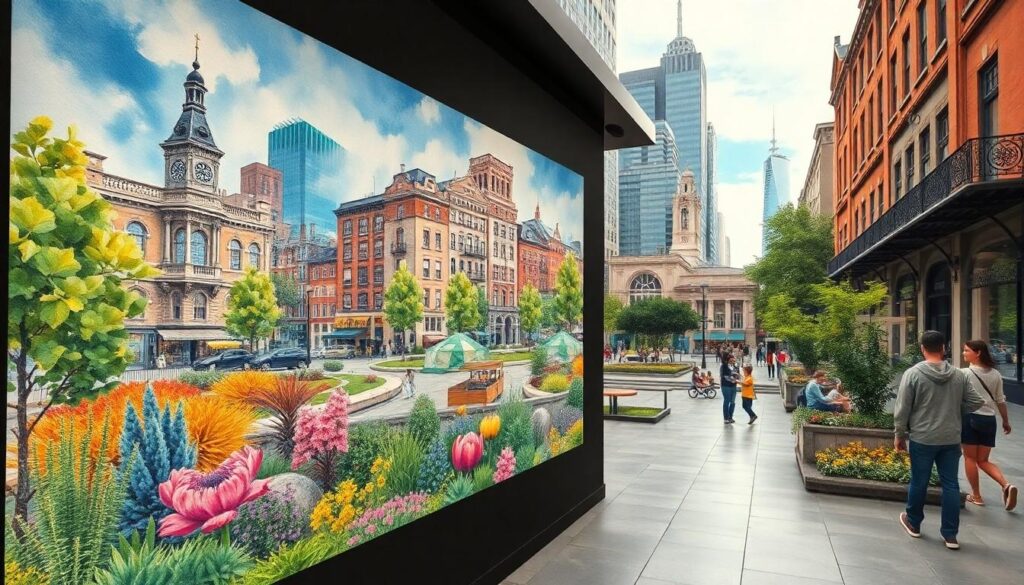
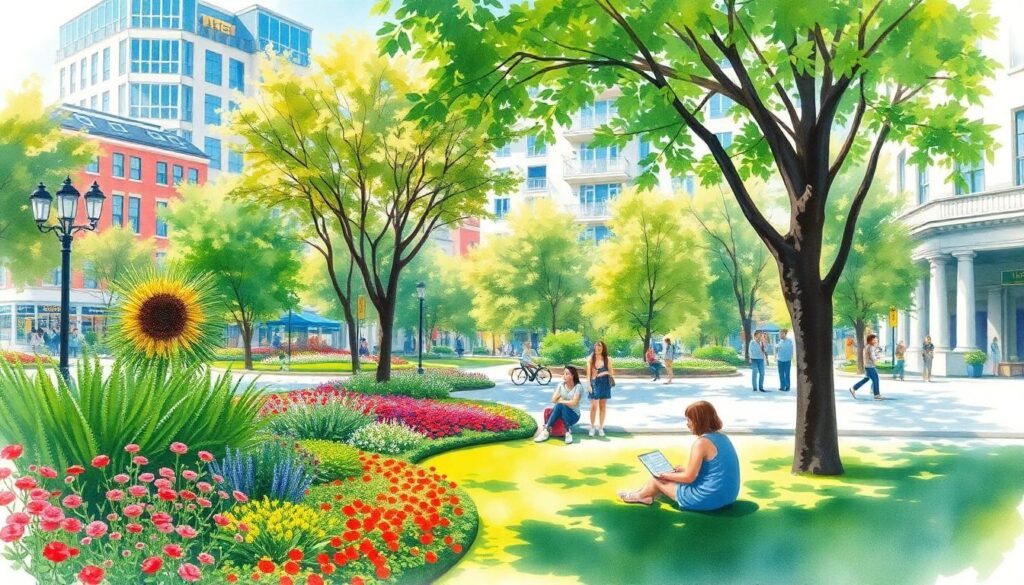
Watercolors play a significant role in the city’s cultural expression. This art form captures the beauty and vibrancy of both landscape and life, showcasing the unique character of urban scenes.
Historical Significance
Watercolor painting has deep historical roots in the city. Artists began integrating local landscapes and architecture into their work during the late 19th century. Influences from movements such as Impressionism contributed to the evolution of watercolor styles. As artists experimented with technique, their work reflected societal changes and cultural shifts. This progression of watercolor art mirrors the city’s dynamic history and evolving identity. Today, these historical artworks offer insight into the past while inspiring contemporary artists. Exhibitions often showcase the city’s rich watercolor tradition, reinforcing community ties.
Notable Local Artists
Several local artists have garnered attention for their exceptional watercolor techniques. Jane Smith, known for her detailed depictions of local parks, captures the essence of city life through vibrant hues. Michael Johnson, on the other hand, focuses on urban architecture, blending modern styles with traditional elements. Each artist brings a unique perspective, reflecting the diversity of the urban environment. Their contributions enrich local galleries and public spaces, creating a dialogue among residents and visitors. Community events often highlight these artists, fostering connections and encouraging artistic exploration.
Graffiti as a Cultural Expression
Graffiti serves as a profound form of cultural expression in the city, representing both artistic skill and social voice. This dynamic art form captures contemporary issues, reflecting the community’s pulse through powerful visual statements.
Social Commentary Through Graffiti
Social commentary through graffiti reveals the city’s underlying issues, providing a platform for marginalized voices. Artists often address topics like inequality, injustice, and identity, inviting public dialogue. Murals and tags convey potent messages, transforming urban spaces into canvases of critique and reflection. These works resonate with diverse audiences, fostering conversations among residents and visitors alike. Additionally, graffiti challenges societal norms, promoting awareness and encouraging people to engage with local issues.
Celebrated Graffiti Artists
Celebrated graffiti artists bring their unique visions to the city’s landscape, each contributing to its vibrant culture. For instance, Casey L. infuses optimism into her pieces, often highlighting themes of unity and hope. Sam R. takes an experimental approach, blending traditional techniques with bold, modern aesthetics. Their art electrifies neighborhoods, inspiring both admiration and thought among onlookers. Public projects frequently showcase these artists, elevating their work beyond mere vandalism to recognized art. Collectively, these artists shape the urban narrative, ensuring graffiti remains a vital part of the city’s cultural identity.
The Role of Sculpture in Public Spaces
Sculpture plays a significant role in enriching the city’s public spaces, offering visual and cultural narratives. Artists use various materials to create pieces that resonate with the community and reflect its identity.
Iconic Sculptures to Visit
Visiting the city reveals several iconic sculptures that capture attention. The “Unity Monument” stands tall in Central Park and symbolizes diversity and inclusion, featuring intricate details that celebrate different cultures. At City Hall, “Skywave” portrays the fluidity of movement, inviting onlookers to appreciate its delicate curves. Another masterpiece, “Eagle’s Flight,” located by the river, represents strength and freedom, drawing visitors from all over. Each sculpture serves not only as a visual spectacle but also as a point of contemplation and dialogue within the urban landscape.
Community Engagement and Sculpture
Community engagement with sculpture has flourished throughout the city, building connections among residents. Local workshops invite citizens of all ages to participate in creating public art, fostering a sense of belonging. Collaborative projects often showcase neighborhood stories, with sculptors working alongside community members to craft lasting pieces that reflect shared experiences. Events like “Sculpture Walks” encourage residents to explore and appreciate these works, promoting local pride. These interactions transform sculptures into symbols of collective identity, deepening their significance in public spaces.
The Influence of Opera on Cultural Identity
Opera plays a crucial role in the city’s artistic landscape, reflecting its rich heritage. Local opera companies contribute significantly to the cultural scene, presenting diverse performances year-round. For instance, the City Opera Guild and the Riverfront Opera Company showcase a mix of classic and contemporary works, attracting audiences of all ages.
Cultural programming from these companies often includes collaborations with local artists and schools, fostering a deeper connection to the community.
The impact of opera on the community extends beyond performances. Opera events bring residents together, celebrating shared experiences and inspiring pride in local talent. Community outreach programs introduce opera to schools, enriching students’ understanding of this art form. Such initiatives often highlight themes relevant to the city’s history and values, creating a deeper emotional connection. Regular productions also draw visitors, boosting local tourism and contributing to the economy. Through its engaging narratives and emotional depth, opera remains a vital part of the city’s cultural identity, uniting diverse populations and enhancing the overall artistic narrative.